
Medication-Assisted Treatment Explained: The Science, Stigma, and Clinical Nuances of Suboxone, Methadone, and Naltrexone
People who aren’t familiar with substance use disorder (SUD) recovery may think about medication-assisted treatment as fighting fire with fire. In the United States, pharmaceuticals such as methadone, naltrexone, and Suboxone (buprenorphine plus naloxone) are classified as Schedule II and III substances, which means they’re controlled because of their potential for abuse and dependence. Because these medications are prescribed to some SUD patients recovering from alcoholism and opioid dependence, they’re often subject to controversy, misunderstanding, and stigma.
What Is SUD Pharmacotherapy?
The use of pharmaceuticals in SUD treatment often starts at the detoxification stage. However, it can continue as a stabilization or therapeutic strategy. This is a clinical approach based on decades of research, formulation, and trials. Although SUD pharmacotherapy may include antidepressants, it’s generally associated with the treatment of severe alcoholism and opioid addiction. Many people find that the most effective addiction recovery Carlsbad treatment providers offer combines medication with counseling, peer support, and healthy daily routines.
What Is Methadone?
As a full opioid agonist, methadone produces typical opioid effects. It’s typically prescribed to manage severe opioid use disorders like heroin and street fentanyl addictions. Unlike recreational opioids, methadone features a slow-acting release mechanism to prevent the intense withdrawal symptoms and desperate cravings that often result in relapse. This is a stabilizing medication that works at the neurochemical level, but it doesn’t produce the powerful euphoria associated with street opioids and the recreational use of specific prescriptions. When a loved one is struggling with opioid use but hesitant to seek help, professionally guided interventions Carlsbad families rely on can open the door to treatment options like methadone.
What Is Naltrexone?
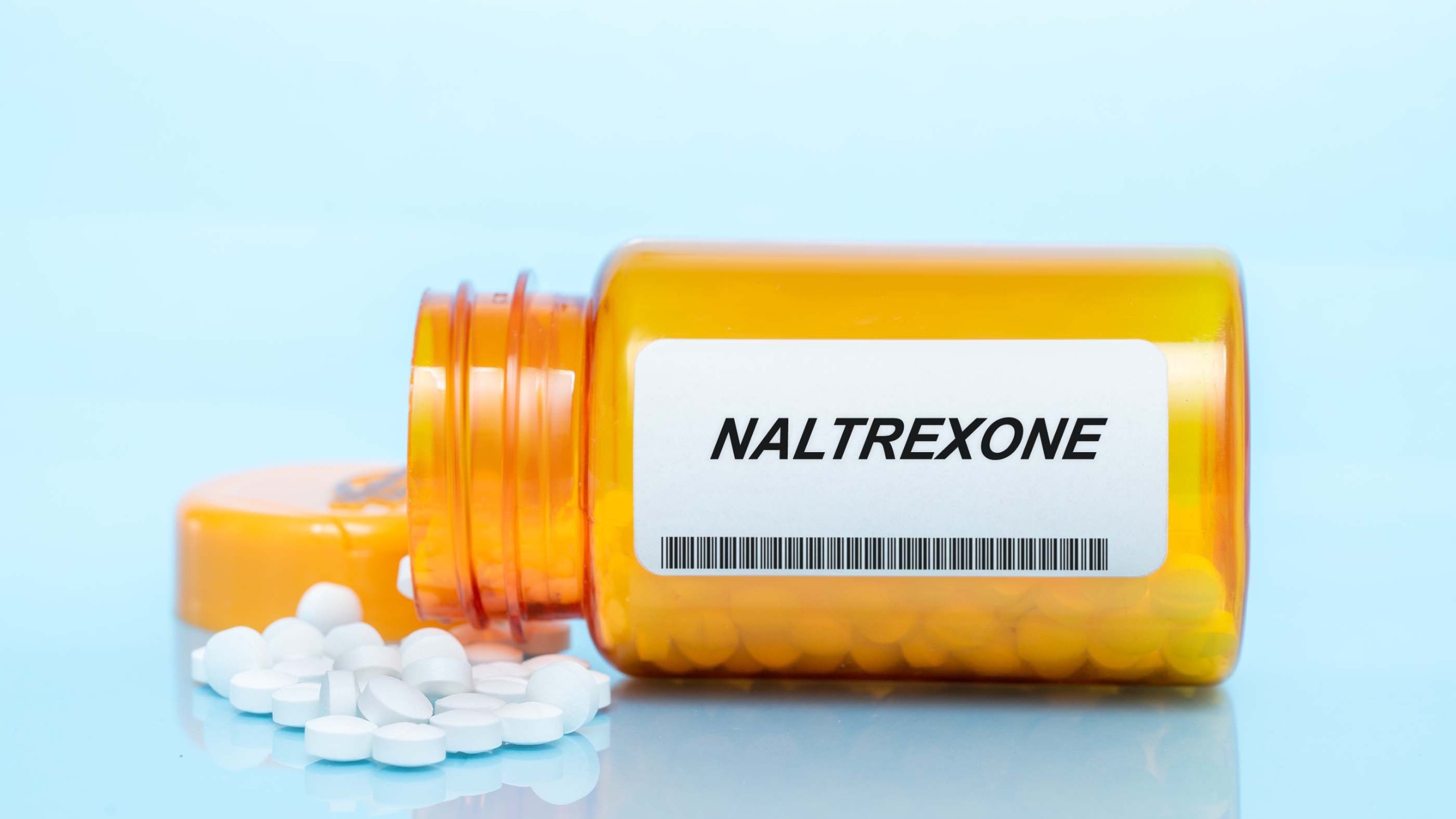
Unlike methadone, naltrexone is an antagonist that can be prescribed to treat both alcoholism and opioid addictions. The neurochemical binding mechanism of naltrexone doesn’t activate opioid receptors. It blocks euphoric effects while preventing endorphins from flooding the brain. When prescribed to alcoholics, this medication reduces the urge to drink. When prescribed for opioid addiction treatment, it prevents relapse by blocking neurochemical effects, thus rendering opioids ineffective.
What Is Suboxone?
Buprenorphine and naloxone are combined into prescription Suboxone to stabilize opioid addicts, thus allowing them to manage cravings and avoid physical withdrawal symptoms. As a partial opioid agonist, it slowly binds to specific neuroreceptors without producing intense euphoria. As an opioid antagonist, naloxone allows buprenorphine to work while reversing euphoric effects to prevent overdose situations.
Medication can be a powerful tool in recovery, but lasting change also depends on the support, structure, and accountability you have outside the clinic. At Sober Lifestyle Coaching, we work alongside your treatment plan to help you build the habits, coping skills, and confidence needed to thrive in everyday life. Whether you’re beginning recovery, adjusting to life after treatment, or looking for guidance for a loved one, our compassionate coaches are here to support you at every stage. Contact Sober Lifestyle Coaching today to learn how personalized coaching can help you move forward with clarity and purpose.
Frequently Asked Questions
Who should take methadone?
+
You should only take methadone prescribed by a physician after detoxification. It’s part of a clinical intervention that requires regular clinical sessions, daily dosing supervision, and counseling.
How does naltrexone work for alcoholics?
+
Beyond interrupting the release of endorphins caused by ethanol molecules, naltrexone helps you break the alcoholism cycle of getting drunk and craving more liquor. Over time, your brain is “rewired” to forget about drinking as a pathway to euphoria. If your recovery approach features abstinence, naltrexone can help you focus on long-term sobriety.
How long does SUD pharmacotherapy last?
+
There aren’t standard periods. In the U.S., the Substance Abuse and Mental Health Services Administration prefers an open-ended approach that combines monitoring with clinical checkups and counseling, so your prescription can last a few weeks, months, or years.
Can I combine SUD pharmacotherapy with sober lifestyle coaching?
+
Yes, you can benefit from sobriety coaching while taking prescription medications. To this end, working toward not having to take medications again would be a highly recommended objective.