


Signs You May Need Alcohol Rehab & How to Start Recovery
As nostalgia for the pop culture and social attitudes of the 1990s gets stronger, many people are recognizing the mistakes they made while caught in the joy of the pre-millennial zeitgeist of hope and financial prosperity. The United Kingdom, for example, went through “lad and ladette culture” lifestyle movements, with young adults being unapologetically brash and drinking to excess. In August 2025, the British newspaper The Daily Mail published an interview with Sandra Parker, a sober lifestyle coach based in London, who started drinking at 17 and didn’t enter rehab until her late 40s. Her life story is a cautionary tale for anyone questioning whether to seek treatment for alcoholism.
The Search for Moderation
Parker embraced ladette culture before getting an investment banking job. She continued drinking to excess while earning a handsome salary and running marathons. Keeping up with her male colleagues in finance was a point of pride. She followed healthy exercise and nutrition plans while ignoring warnings about alcoholism. As Parker made money and enjoyed life, she never thought about hitting rock bottom. Beyond increasingly terrible hangovers and stubborn panic attacks, nothing suggested she would deal with a crisis. For many alcoholics, the introspective desire to seek moderation is often the first sign of deeper issues.
Rock Bottom: Always Deeper Than You Think
Parker’s recovery journey began casually with a Dry January challenge. After a holiday season of cheerful and copious drinking, she learned about the trendy “sober curious” movement. She determined through online research that functioning alcoholics like her don’t think about hitting rock bottom too often. This isn’t always denial. It’s closer to underestimating the depths of alcoholism. Whenever you feel close to hitting rock bottom, there’s a good chance you can avoid it through rehab.
Understanding Rehab for Alcoholism
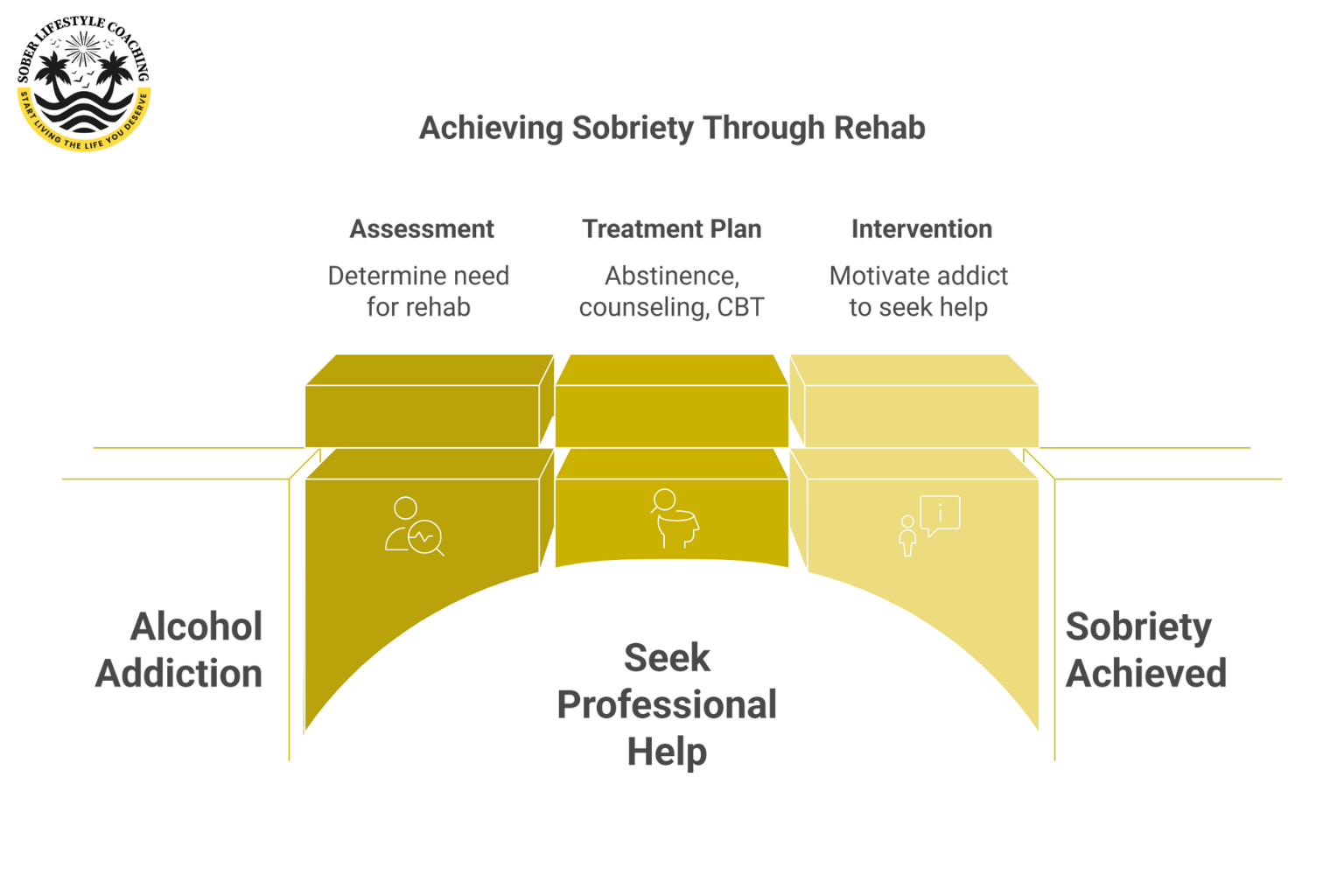
There are various ways to recover from alcoholism and substance abuse. Not all methods involve rehab, an abbreviation for “residential rehabilitation.” Parker didn’t go through it because the sober lifestyle coach she consulted determined it wasn’t necessary. However, she followed a treatment plan of abstinence, counseling, and cognitive behavioral therapy (CBT). Some alcoholics must go through detoxification, a strategy of clinical stabilization, before entering an inpatient stage of recovery that can last a few days, weeks, or months. In other words, the need for rehab must be established by an addiction recovery professional, and it may feature clinical components like detox, prescription medications, and outpatient therapy. In Southern California, for example, the addiction recovery specialists from Sober Lifestyle Coaching collaborate with treatment facilities to help their clients with Carlsbad rehab placement, referring them to the services that suit them best based on their individual issues and what they can afford.
The Quest for Sobriety after Rehab
Going through rehab isn’t mandatory in all recovery journeys. Parker didn’t think about it because she was oblivious to alcoholism in the first place. This treatment strategy isn’t for everyone. However, it’s often a solid step toward achieving sobriety. When you retain the services of a sober lifestyle coach, an assessment will determine if rehab would be beneficial, and this is when your journey to recovery and sobriety may begin. Whether you enter rehab or not, your quest for sobriety cannot start in earnest until you take full accountability for your actions and understand why living a sober life is always better.
Recognizing When Self-Management Is No Longer Enough
Many individuals attempt to manage alcohol use on their own before seeking professional help, but there comes a point when willpower alone is not enough. If alcohol is consistently impacting work, relationships, health, or emotional stability, it’s often a sign that additional support is required. Rehab provides a structured environment where individuals can receive medical monitoring, emotional guidance, and daily accountability—crucial elements that are difficult to create independently. Understanding that needing help is not a failure, but rather a step toward safety and clarity, can be an important turning point.
The Role of Medically Supervised Detox in Early Recovery
For those experiencing withdrawal symptoms, rehab offers a medically supervised detox process that greatly reduces risk and discomfort. Withdrawal from alcohol can be dangerous and unpredictable, sometimes leading to severe complications if not managed properly. In a professional setting, symptoms are monitored carefully, medications may be used to ease discomfort, and clients receive emotional support throughout the process. This stabilization lays the foundation for meaningful therapeutic work once the acute physical risks have passed.
Long-Term Benefits of Entering Treatment at the Right Time
Seeking rehab at the appropriate stage not only protects an individual’s health but also increases the chances of long-term sobriety. Treatment provides access to counseling, peer support, relapse-prevention planning, and tools for rebuilding daily life—the very elements needed to maintain stability after discharge. Entering rehab sooner rather than later prevents further damage, reduces emotional turmoil, and offers loved ones peace of mind. Early intervention is one of the strongest predictors of long-term success, helping individuals regain control and build a healthier, more balanced future.
If you’re concerned someone you love needs to go to rehab but don’t know how to approach the subject, seek advice from experienced interventionists. At Sober Lifestyle Coaching, our trained interventionists help groups of family members, friends, or coworkers confront the addicts they love as they motivate them to seek treatment. Guided by love and compassion for the addicts to ensure they don’t feel attacked or judged, our interventions are structured in a way that’s designed to coax them to be willing to change, even if they’re resistant to accepting help such as treatment, detox, or rehab. If they need the services of an interventionist, Carlsbad residents should call us today.

Related Posts

How Do Professional Intervention Strategies Help Those Struggling with Alcoholism?
Modern interventions are planned and conducted according to three major strategies: ARISE, Johnson, and Systemic. Professional interventionists refer to these strategies as models they reference

High-Functioning Alcoholics: Understanding the Hidden Struggles of AUD
The term “functioning alcoholic” is a commonly used label for an individual who seems to maintain a normal life while still struggling with alcohol abuse.

What Happens to Your Body When You Drink Alcohol?
Some people retain sober lifestyle coaches because of the “sober-curious” movement. Perhaps they’ve read magazine articles, watched Instagram Stories, or streamed Emily in Paris on

5 Warning Signs of Problem Drinking
The sober curious movement reached new heights with the fourth season of Emily in Paris, the Netflix hit series about a young American woman working